
ARTICLES
Laboratory Practical Skills

2026-04-23
The iAPS-3020XP fully automatic metallographic grinding and polishing system is not just a grinding and polishing device; it is also a comprehensive metallographic sample preparation workstation.

2026-03-19
The LC-230 series precision cutting machine utilizes thin cutting blades and precise feed to achieve precise cutting. With its large platform and transparent enclosed protective cover, it is particularly suitable for cutting thin samples such as circuit boards.

2026-01-27
Mastering the basics of metallographic techniques is easy, but achieving high-quality results is difficult—especially when preparing metal materials with low hardness and high toughness.

2026-01-27
Currently, the mainstream mounting technologies are cold mounting and hot mounting, each with its unique advantages and suitable applications. This article introduces these two technologies and presents Nabo's professional solutions for both processes.

2025-12-26
In metallographic sample preparation, polishing cloth is an indispensable part of the polishing process. It not only carries and secures the polishing abrasive but also utilizes its unique fiber structure to finely cut and flatten the sample surface, making it key to achieving a bright, scratch-free observation surface.

2025-12-26
Induction hardening is a heat treatment process that locally or entirely hardens the surface of metal workpieces through the principle of electromagnetic induction. This process features fast heating speed, minimal deformation, low energy consumption, and strong controllability, and is widely used for surface strengthening of components such as gears, shafts, and guide rails.

2025-11-07
A Comprehensive Guide! Brinell, Rockwell, and Vickers Hardness Tests: What's the Difference?
In the world of metallic materials, "hardness" is a key indicator of performance. However, many people are confused by the different hardness testing methods: Brinell, Rockwell, and Vickers. What are the differences between them? Which one should I use for my product? Today, we'll explain it all clearly.

2025-11-07
How do excavators manage to chew through rocks? The key lies in their foremost "steel teeth"—the bucket teeth. Today, we'll use a LABTTor metallographic microscope to uncover the microscopic secrets behind their hardness!

2025-11-07
In daily hardness testing, have you ever been troubled by the unstable indentation depth measurement results of your Rockwell hardness tester? Large measurement deviations and unreliable data directly affect the accuracy of hardness measurement results—a problem many testing personnel are well aware of.
2025-09-22
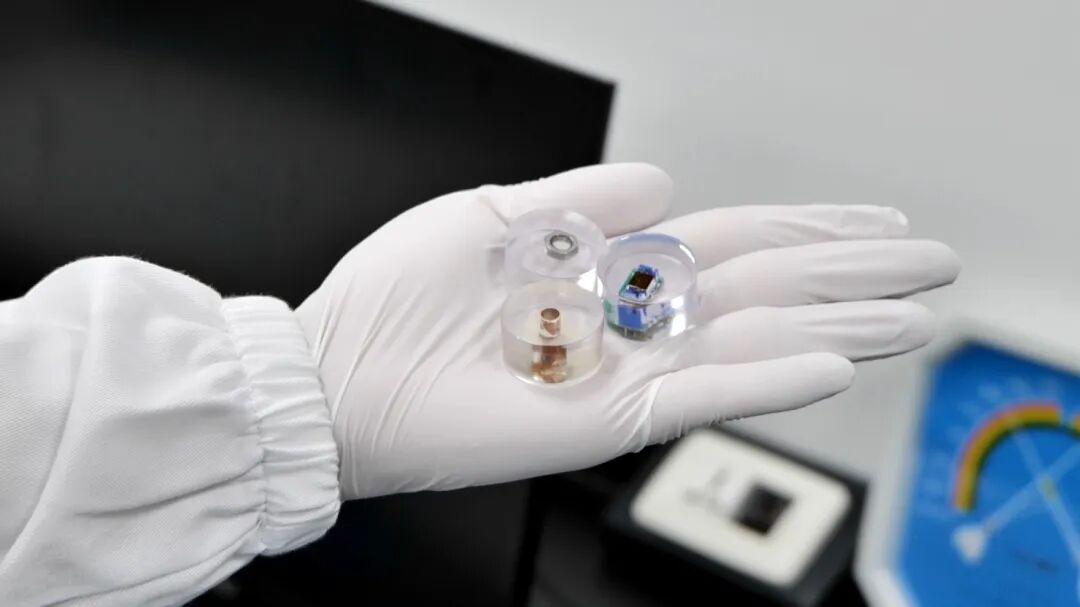
Metallographic cold mounting is a critical step in material preparation. A high-quality mounting result requires standardized operation and meticulous control. From sample pretreatment, resin mixing, mold positioning, to final demolding, every step directly impacts the success of the mounting. Below, these practical tips will help you easily improve mounting quality and eliminate common defects!

