
ARTICLES
Laboratory Practical Skills
2025-06-19
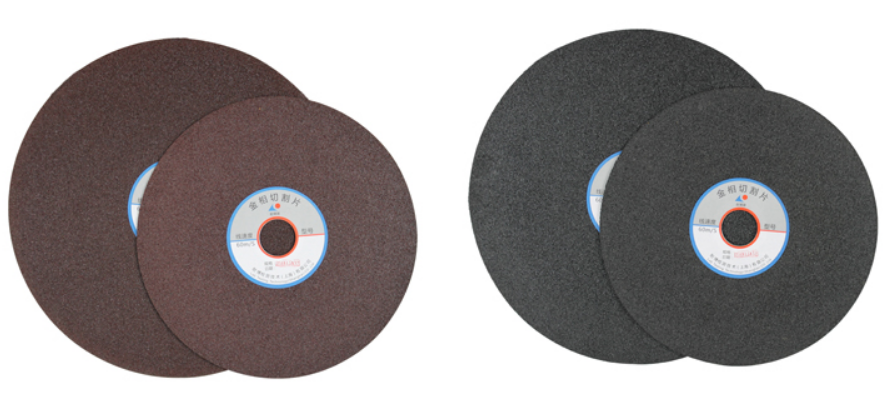
A must-have for the laboratory! Take you to know the metallographic cutting disc in 1 minute
Metallographic cutting discs (also known as metallographic grinding wheels) are special tools used to cut specimens in metallographic sample preparation. They are designed to obtain flat, damage-free sample cross-sections through precise cutting, providing a basis for subsequent microscopic observations (such as metallographic microscopes and scanning electron microscopes).

2025-06-19
Extend the life of your cutting machine by 3-5 years!
The cutting machine is an important equipment for sample preparation, but long-term high-load operation will inevitably cause wear and tear. In fact, just spend 10 minutes a day to do these 4 steps of maintenance, you can greatly reduce the failure rate and easily extend the life of the equipment by 3-5 years!
2025-06-19
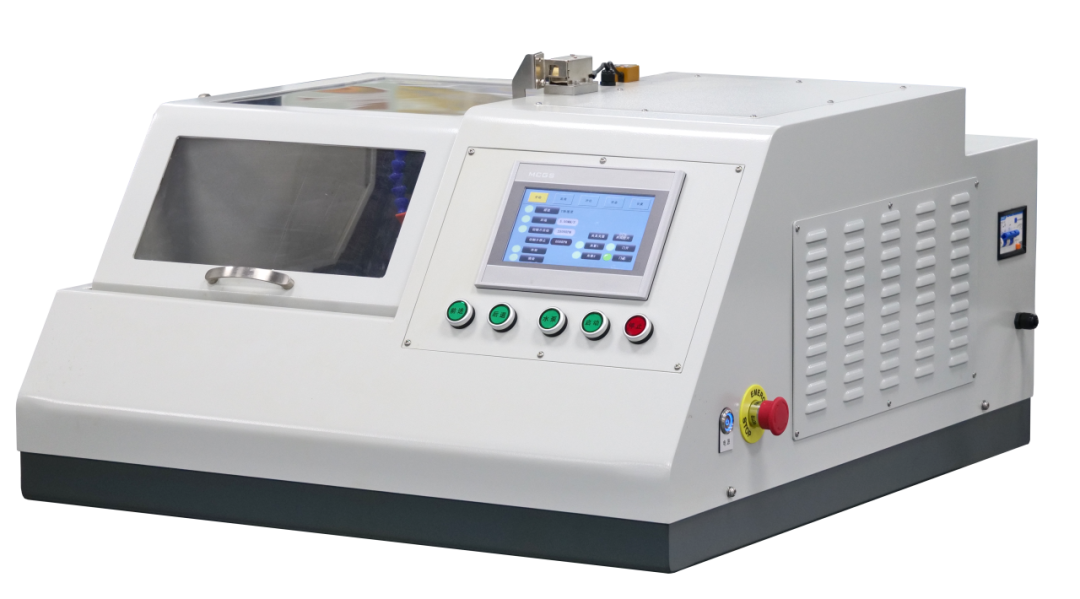
How to minimize the damage to the cut surface of metallographic specimens? 5 key points to know!
In metallographic analysis, sample cutting is the first and most critical step. A perfect cutting surface can lay a good foundation for subsequent grinding and polishing. So, how can we obtain a cutting surface with minimal damage? Let's talk about this topic today.
2025-06-19
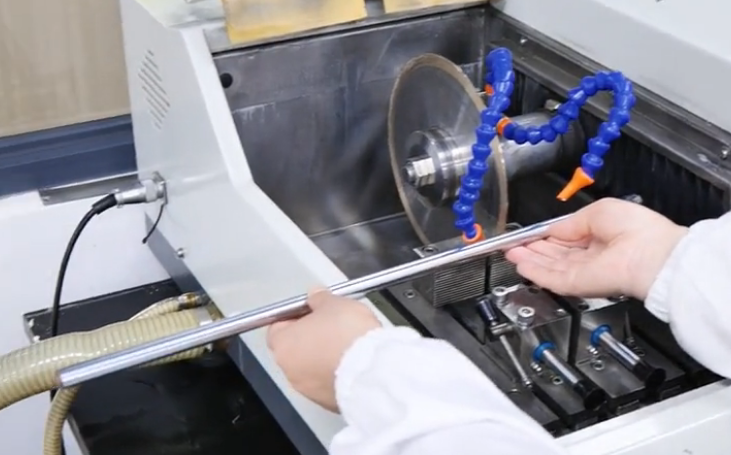
How to solve the problem of cutting long-axis metallographic specimens?
In the field of material testing, the cutting of long-axis metallographic specimens (such as bars and tubes) has always been a headache - unstable clamping, damage to the cutting surface, uneven thermal stress, insufficient cooling... How to efficiently complete the cutting and ensure the quality of the sample? Today we will share a set of systematic solutions to help you easily cope with the challenge!
2025-06-19
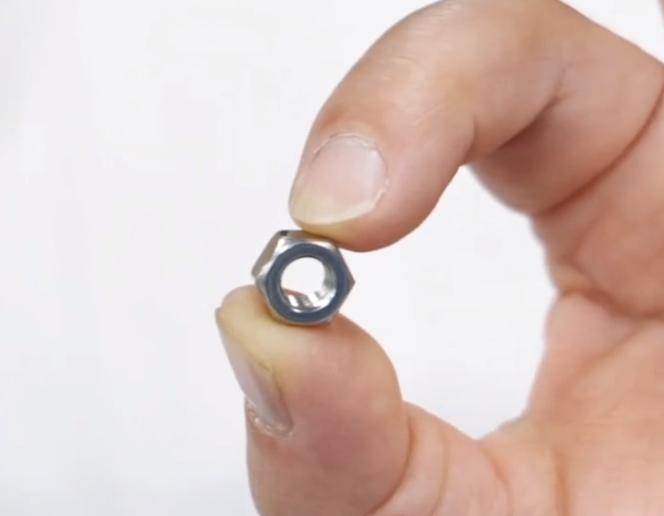
Cutting small metallographic specimens: tips for going from tricky to easy
In the process of metallographic sample preparation, cutting of small-sized metallographic samples has always been a headache. The reason why cutting of small-sized metallographic samples is difficult is mainly due to the following pain points.
2025-06-18
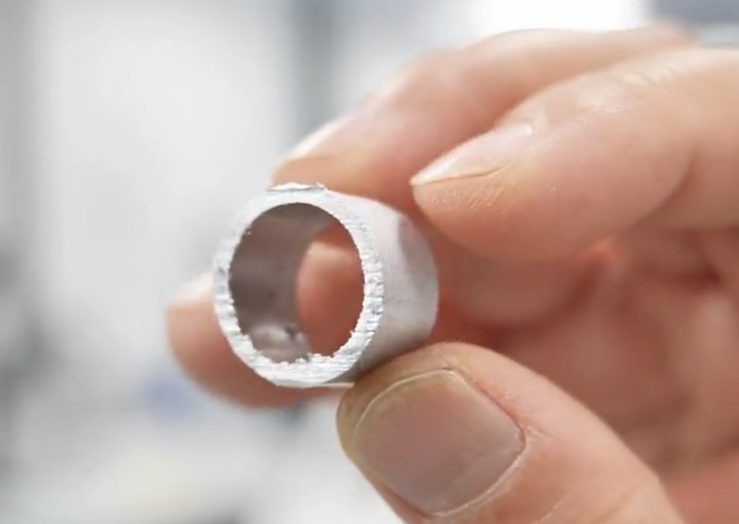
Aluminum Alloy Specimen Cutting: Pain Points and Solutions
Aluminum alloy is a material that is often encountered during the cutting process, but this material is not easy to cut. Today, we will take a deep look at the pain points in aluminum alloy specimen cutting and present an effective solution for you.
2025-06-18
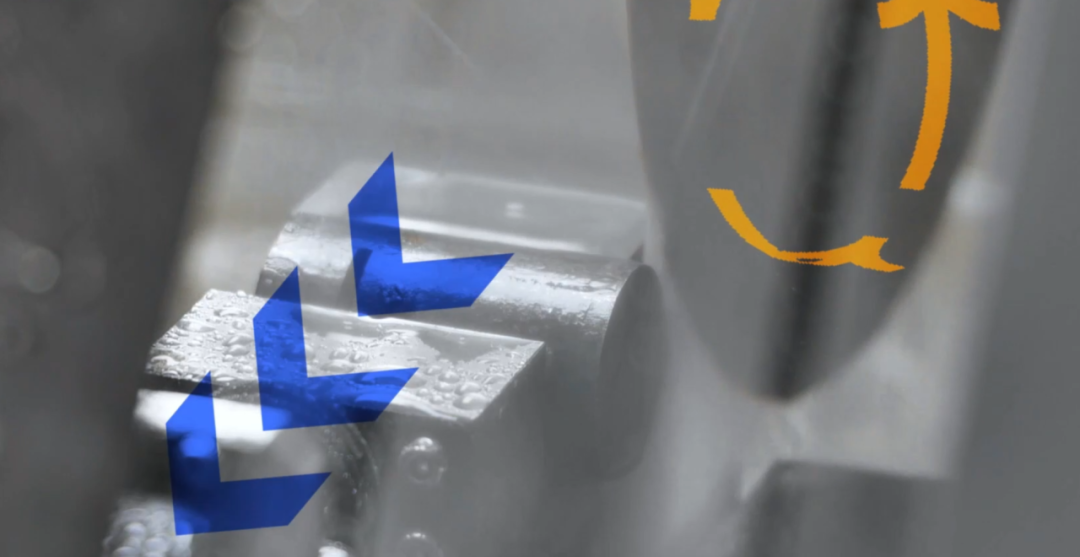
A complete analysis of metallographic sample cutting methods
In the preparation process of metallographic samples, cutting is the first and most important step. Different cutting methods will directly affect the quality of the sample and the accuracy of subsequent analysis. Today, we will analyze in detail several common metallographic sample cutting methods to help you choose the most appropriate method according to material characteristics and experimental requirements!

2025-06-18
Learn the Brinell hardness tester calibration method easily
Are you still worried about how to calibrate the Brinell hardness tester? Don't worry, we will teach you how to quickly master the calibration of the Brinell hardness tester. Collect and learn it now! Next, we will use the Brinell hardness tester produced by LABTT, which is very representative in the industry, as an example to show you the calibration operation in a comprehensive and detailed manner.

2025-06-18
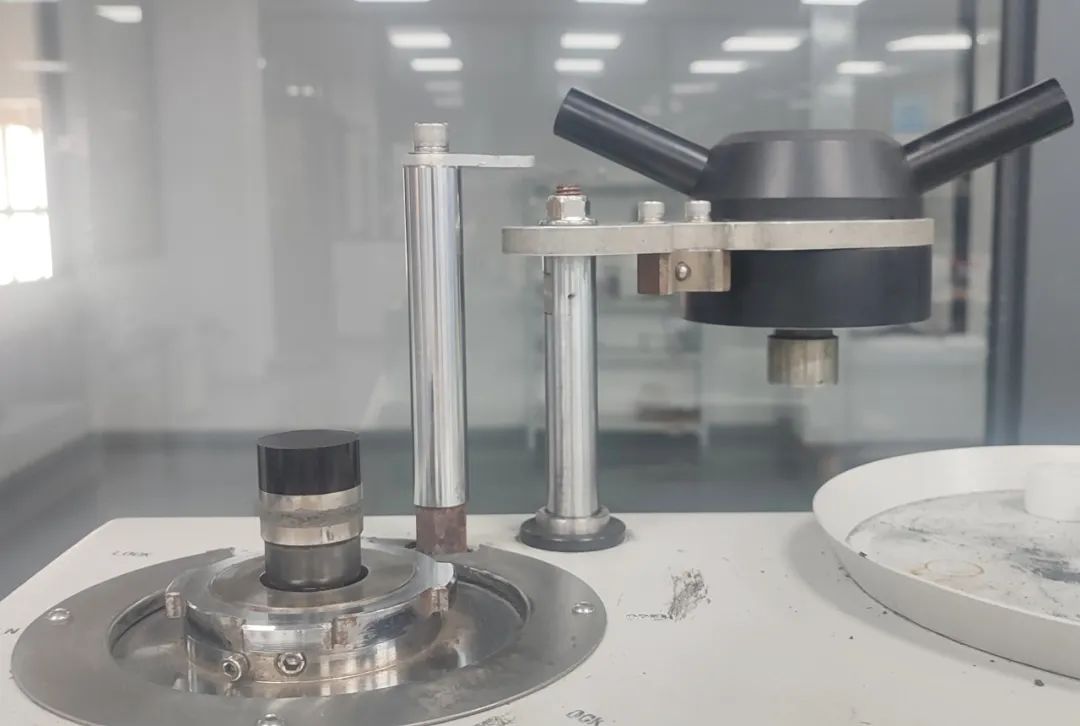
How to avoid mistakes when hand grinding samples
In the process of metallographic sample preparation, hand grinding of samples seems simple, but in fact, it is a mystery. If you are not careful, it will "turn over", which makes many experimenters headache. Don't worry, today I will share with you some practical tips.
2025-06-06
Why do samples bulge during the hot mounting process?
In the process of hot mounting, everyone must have encountered such a problem: after the hot mounting is completed, a small bag will bulge on the surface of the sample, which will affect the subsequent grinding and polishing and the final metallographic structure observation. Today we will completely solve this annoying bulging problem.

