
ARTICLES
Laboratory Practical Skills

2025-11-07
A Comprehensive Guide! Brinell, Rockwell, and Vickers Hardness Tests: What's the Difference?
In the world of metallic materials, "hardness" is a key indicator of performance. However, many people are confused by the different hardness testing methods: Brinell, Rockwell, and Vickers. What are the differences between them? Which one should I use for my product? Today, we'll explain it all clearly.

2025-11-07
How do excavators manage to chew through rocks? The key lies in their foremost "steel teeth"—the bucket teeth. Today, we'll use a LABTTor metallographic microscope to uncover the microscopic secrets behind their hardness!

2025-11-07
In daily hardness testing, have you ever been troubled by the unstable indentation depth measurement results of your Rockwell hardness tester? Large measurement deviations and unreliable data directly affect the accuracy of hardness measurement results—a problem many testing personnel are well aware of.
2025-09-22
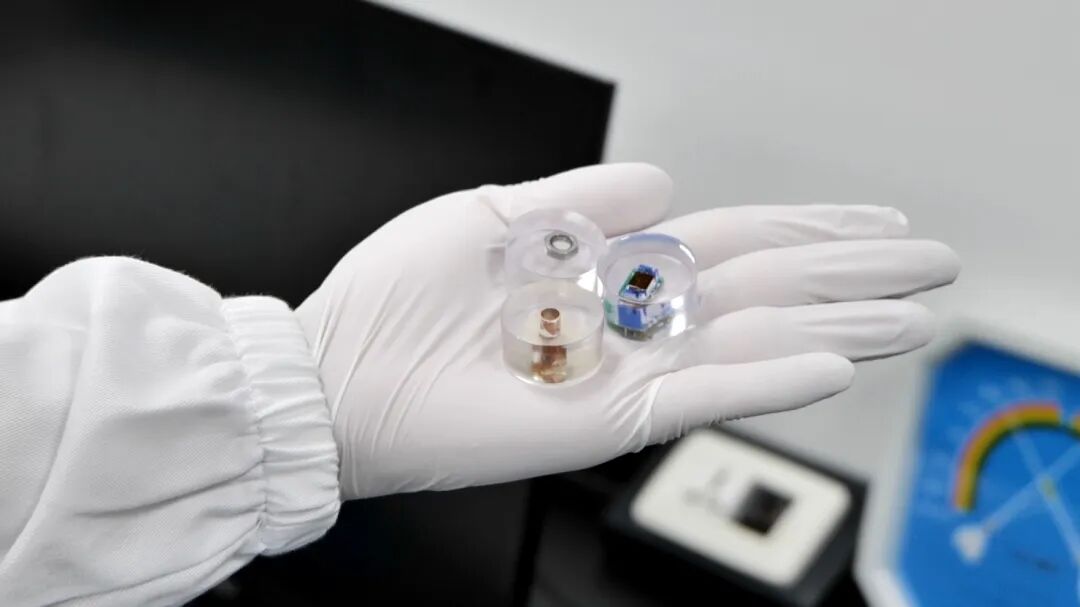
Metallographic cold mounting is a critical step in material preparation. A high-quality mounting result requires standardized operation and meticulous control. From sample pretreatment, resin mixing, mold positioning, to final demolding, every step directly impacts the success of the mounting. Below, these practical tips will help you easily improve mounting quality and eliminate common defects!
2025-09-22
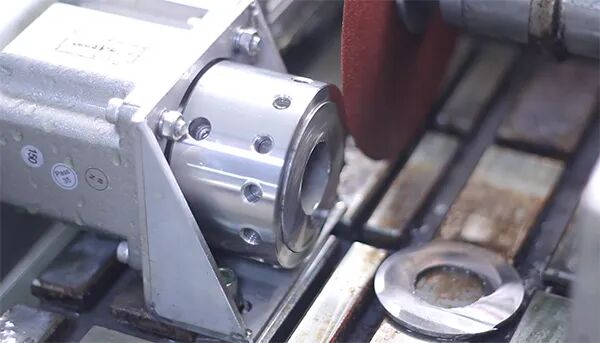
In the complete metallographic sample preparation process, we often focus on meticulous polishing and precise etching, but often overlook the first and most crucial step: cutting. Standardized sampling directly determines the smooth progress of subsequent sample preparation and, ultimately, the authenticity and reliability of the final microscopic results.
2025-09-22
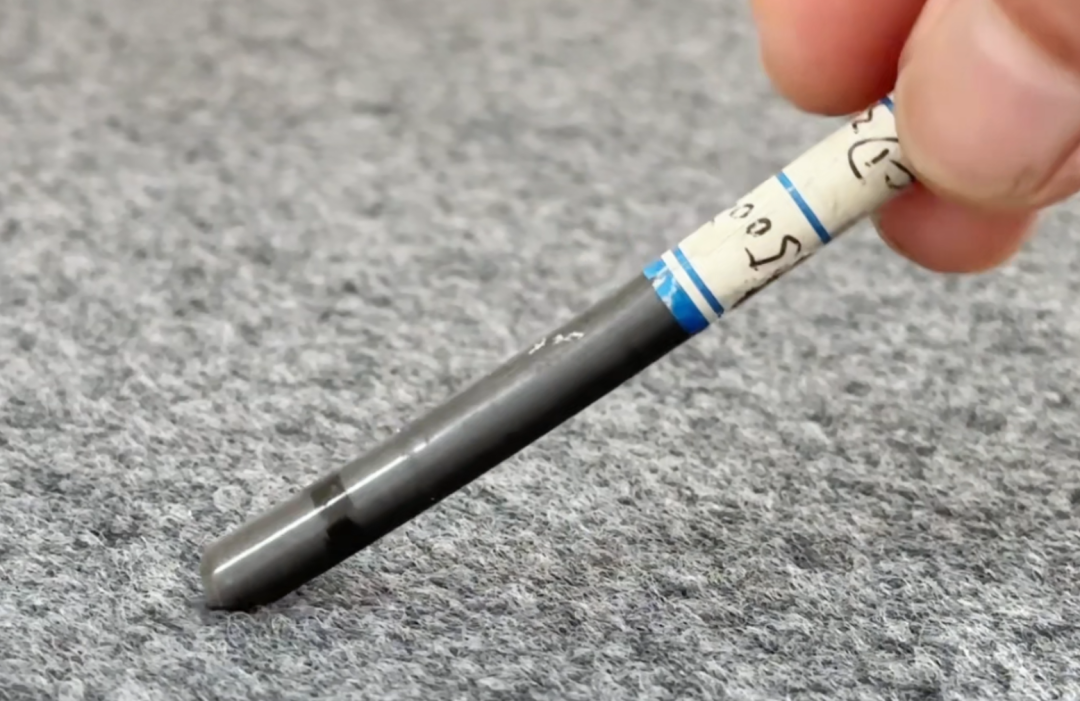
Always confused about metallographic samples? These 5 marking methods are essential lab essentials!
Have you ever struggled with how to mark your metallographic samples? Different material properties, experimental conditions, and storage requirements often necessitate choosing the most appropriate marking method. Below are five common metallographic sample marking methods for your reference.
2025-09-22
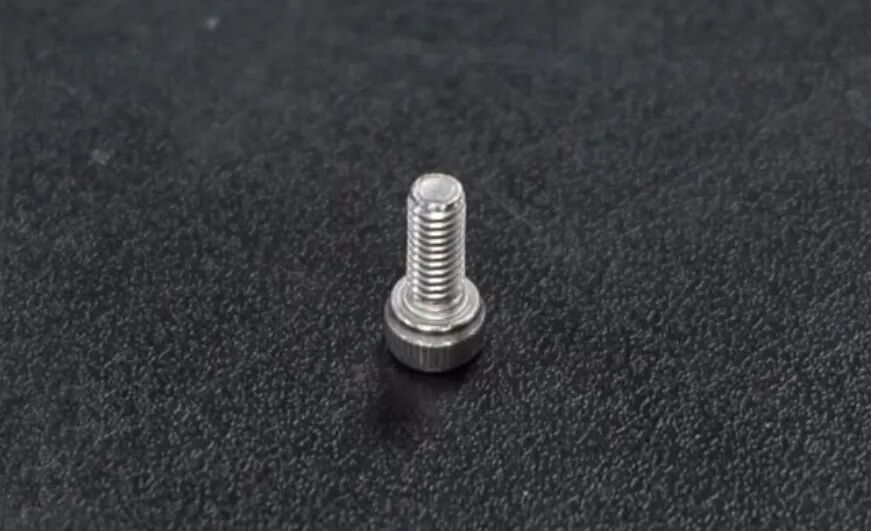
It's only one-third the size of a thumb, yet it supports a 10,000-ton bridge; it silently guards every takeoff and landing of an airplane. Today, let's use metallographic examination technology to uncover the microscopic secrets of this tiny screw!
2025-09-22
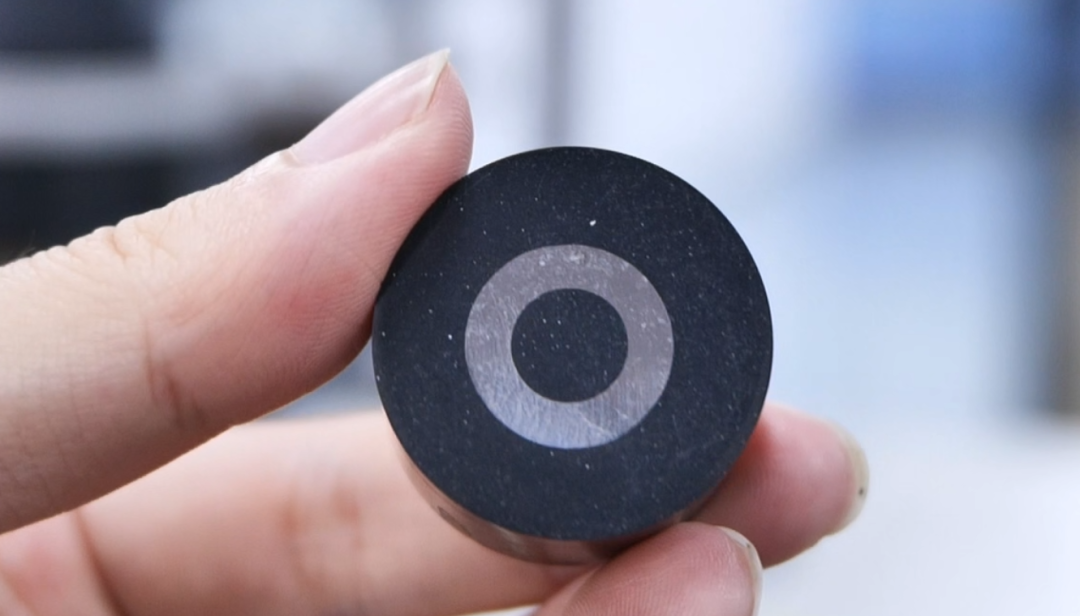
Can you just mount your sample after cutting it? Not necessarily! Have you ever, or are you still, skipping pre-treatment steps? You know, proper pre-mounting preparation directly determines the success or failure of subsequent polishing, observation, and even electron microscopy analysis—especially for complex samples. A little carelessness can affect imaging at best, or even mislead conclusions at worst. Today, we'll systematically review the essential pre-mounting considerations.
2025-08-22
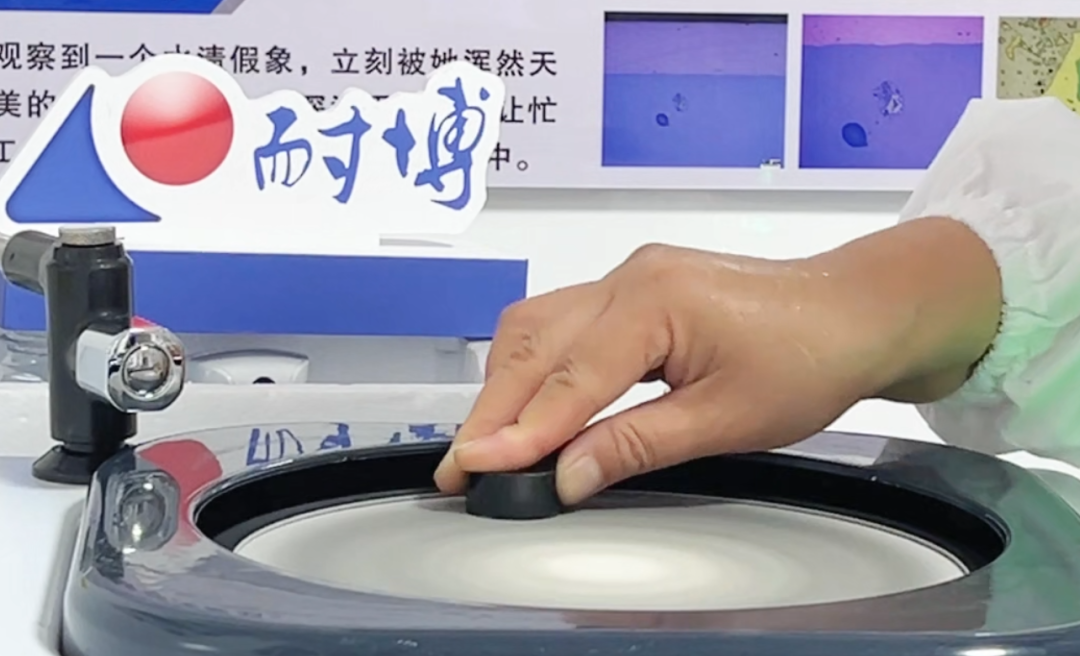
Have you ever encountered this problem during metallographic sample preparation? After repeated grinding and polishing, the sample surface is either raised or recessed, never achieving the desired smoothness. This common "relief" problem can be a real headache, but don't worry! Today, we'll explain the causes in detail and provide professional and reliable solutions.

2025-08-18
How can you secure your sample like this? Have you tried these mounting tips?
During the sample mounting process, securing the sample before mounting is crucial. Today, we'll share several sample securing methods used by industry experts. Have you tried them?

